


Glassix
Glassix — unified messaging and CX platform.
Situation
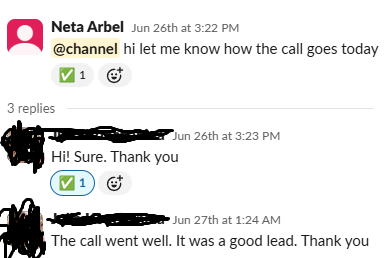
Meetings were coming in at 0–1 per week, ad hoc, whenever someone had time to prospect.
What we did
- Targeted Biz Dev and Partnerships titles at IT consulting firms and telcos, rather than technical buyers.
- Ran 3 humanized LinkedIn accounts (500+ connections each) alongside 30 warmed inboxes, on separate lists per channel.
- Sent the same hook on both channels, framed as a partnership rather than a pitch, with a three-touch follow-up.
Results
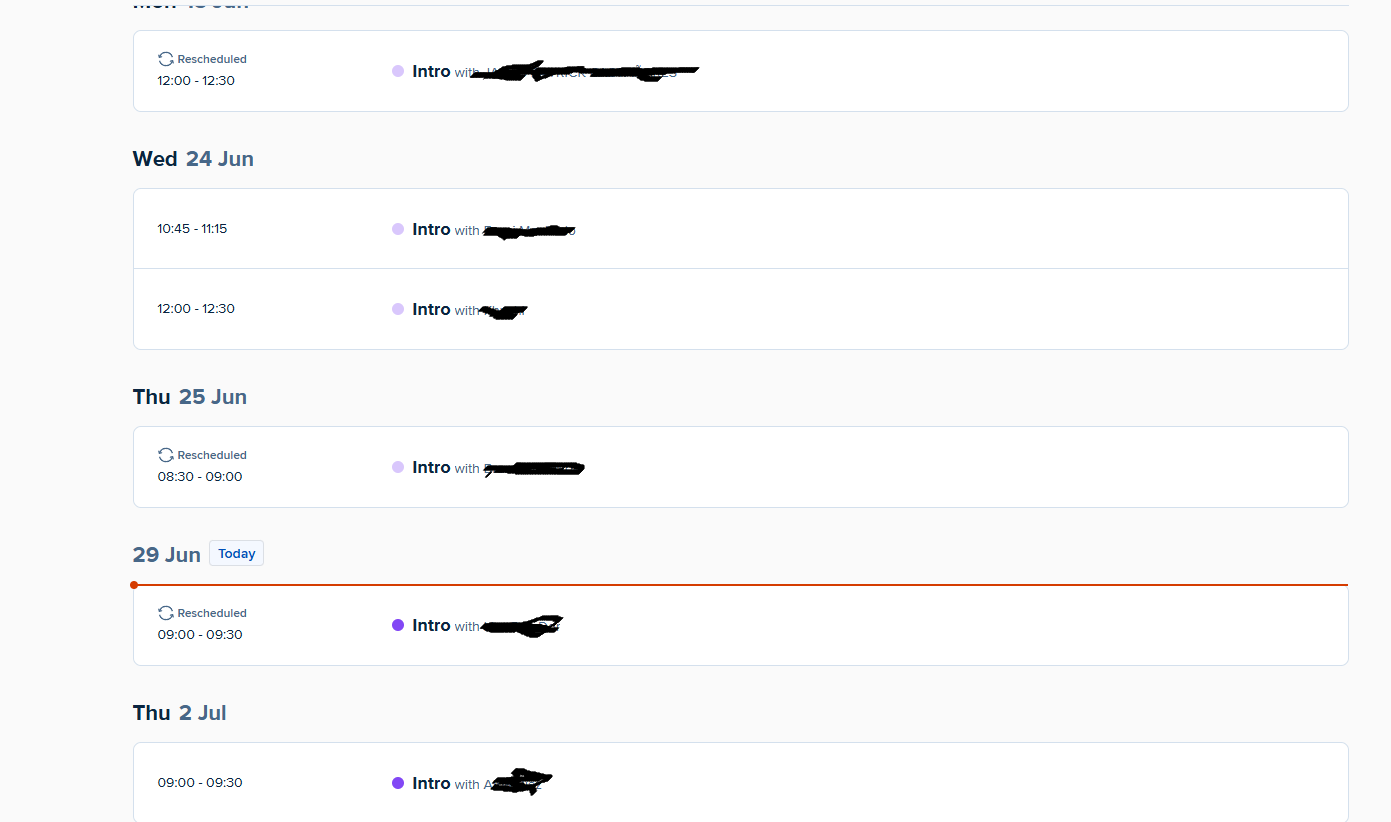
- 4–5 demos booked per week, consistently: 2–3 from LinkedIn, 2–3 from email. Up from 0–1 ad hoc.
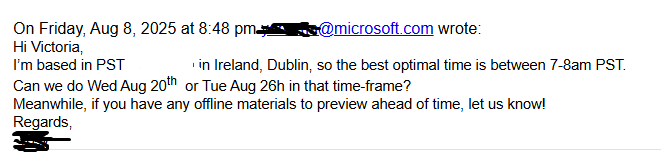
- 120+ sales meetings in total, over six months. Their number, on video, not ours.
Their VP of Marketing, on camera
“When we partnered with GrowthGrid for B2B SaaS lead generation, we were early stage with low brand awareness — people didn't really know about us yet. In just six months, GrowthGrid delivered a steady stream of qualified leads and over 120 sales meetings.”Ran Yosef, VP Marketing, Glassix. Watch the clip.
Two channels, wildly different maths, same output
450 connection requests a week (3 accounts × 150)
27% accepted
~50 conversations a week
35% replied to the hook
2–3 demos a week
1,500 emails a week (300 a day, 30 inboxes)
1% interested replies
~15 leads a week
2–3 demos a week
Demos booked per week, before and after
The hook that won — identical on both channels
“Found your profile and thought it might make sense to connect regarding a partnership opportunity. Can I share more info, or is there someone else who handles partnerships at {COMPANY}?”
27% accepted. 35% of those replied. The same words were the top-performing email, under the subject line “question”.
Why it worked
“Partnership opportunity” lands against a biz-dev team's actual KPIs. Biz dev cares about margin, not tech specs. And “is there someone else?” lowers the ego barrier: it gives the reader a way to answer that isn't yes or no.
Follow-ups
Day 2: a 2-pager and a Calendly link, explicitly no pitch. Day 6: a mutual-benefit reminder. Day 12: a light touch.
What we took from it
Consistency beat volume. Partnership framing beat product framing. Separate lists per channel kept the data clean.